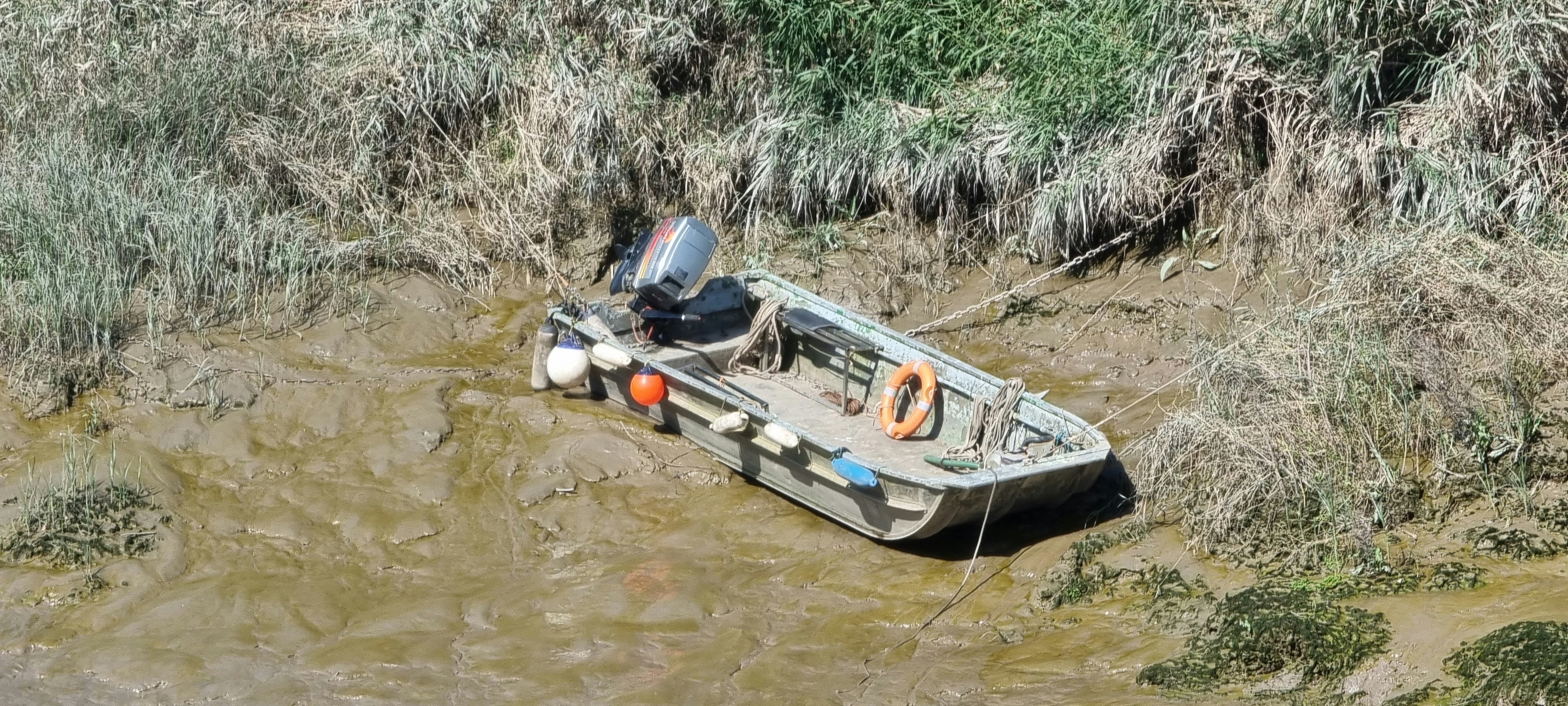
If you never ran aground , Are you really a boater?
Running aground is a common issue faced by boaters, whether they are novices or seasoned navigators. This situation occurs when a boat inadvertently comes into contact with the bottom of a body of water, often resulting in a halt in movement and potential damage. Understanding the problems associated with various types of propulsion is crucial for effective navigation. one key piece of gear that is essential is a extendable boat /hook /pole
Types of Propulsion and Their Challenges
Boats are propelled by different types of systems, including sails, inboard and outboard motors. Each comes with its own set of potential challenges when running aground. For instance, sailboats, dependent on wind power, may struggle to maneuver quickly away from shallow waters, leading to grounding if caution isn’t taken. Meanwhile, motorized boats, while generally more maneuverable, can experience engine failure that leads to grounding. Rowing boats encounter different hazards; maneuverability relies heavily on the skill of the operator, which can be hindered in turbulent conditions.
Prevention and Solutions
Preventing running aground starts with understanding navigational charts and local conditions. Regular training on how to use different propulsion systems effectively can help in avoiding mishaps. If a boat does run aground, being prepared with a plan can mitigate damage. For motorboats, assessing the engine’s status promptly can aid in recovery, while sailboat operators should be versed in their sail management during such situations.
In summary, whether sailing, motoring, or rowing, the key to minimizing risks associated with running aground lies in knowledge, preparedness, and skillful navigation.